Leave A Message

Leave A Message

If you are interested in our products and want to know more details,please leave a message here,we will reply you as soon as we can.
Submit
banner

Blog

Home

Blog

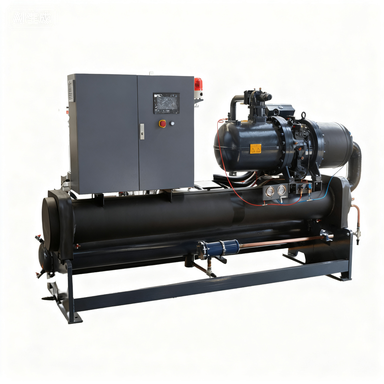
  • What Is a Water Cooled Screw Chiller and How It Works
    What Is a Water Cooled Screw Chiller and How It Works
    Jan 17, 2026
    If you’ve ever wondered how large-scale facilities like data centers, plastic factories, or food processing plants maintain stable low temperatures, the answer often lies in a water cooled screw chiller. This industrial cooling workhorse combines precision engineering with efficient heat transfer to deliver consistent refrigeration—let’s break down what it is and how it operates. ​ What Is a Water Cooled Screw Chiller?​ At its core, a water cooled screw chiller is a refrigeration system designed to cool fluids (typically water or glycol solutions) by transferring heat away from the target space or process. Unlike air-cooled alternatives that use ambient air for heat dissipation, it relies on a water-based cooling loop paired with a cooling tower to expel heat more efficie...
    Read More
  • How to Maintain an Oil Temperature Controller for Long-Term Use
    How to Maintain an Oil Temperature Controller for Long-Term Use
    Jan 15, 2026
    An oil temperature controller (TCU) is the backbone of precision temperature management in industries like plastic molding, chemical processing, and laboratory testing. Neglecting maintenance can lead to erratic temperature control, component failure, or even safety hazards. To keep your TCU running reliably for years, follow this comprehensive maintenance guide. ​ 1. Daily Routine: The Foundation of Longevity​ Consistent daily checks prevent small issues from escalating into costly breakdowns. Start by verifying the oil level through the sight glass—low levels cause sensor misreads and pump damage, while overfilling risks pressure buildup . Next, inspect for leaks: check pipeline connections, seals, and valve joints for oil stains, as even minor leaks degrade performance over time ....
    Read More

  • Advantages of Using Oil Temperature Controllers for Mold Heating
    Advantages of Using Oil Temperature Controllers for Mold Heating
    Jan 12, 2026
    In industrial molding processes—from plastic injection to composite curing—mold temperature directly dictates product quality, production efficiency, and operational costs. While water-based and electric heating systems have their uses, oil temperature controllers (oil TCUs) stand out for high-heat precision and long-term reliability. Let’s explore why these systems have become indispensable for demanding manufacturing environments. ​ 1. Unmatched High-Temperature Capability​ Unlike water (limited to ~100°C at atmospheric pressure), thermal oil boasts exceptional thermal stability and a high boiling point, enabling oil TCUs to operate at 200–350°C (and up to 400°C with specialized models) . This makes them ideal for heat-intensive processes like:​ Rubb...
    Read More
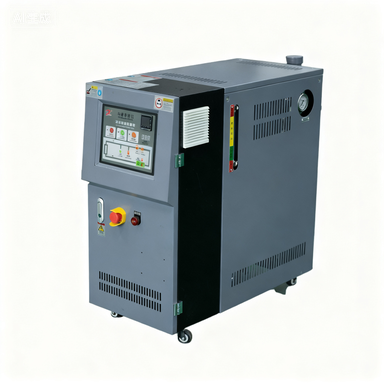
  • What Is an Oil Temperature Controller and Its Industrial Uses
    What Is an Oil Temperature Controller and Its Industrial Uses
    Jan 09, 2026
    If you’ve ever wondered how manufacturers achieve consistent quality in high-heat processes—from perfectly molded plastic parts to precisely distilled chemicals—chances are an oil temperature controller (OTC) is behind the scenes. These unsung heroes of industrial thermal management play a critical role in keeping temperatures stable, safe, and efficient across countless sectors. Let’s break down what they are, how they work, and where they shine. ​ What Exactly Is an Oil Temperature Controller?​   An oil temperature controller—often called an oil TCU (temperature control unit)—is a closed-loop industrial system designed to precisely regulate the temperature of heat transfer oils for high-temperature processes . Unlike water-based systems limited by...
    Read More
  • Comparison: Water vs Oil Temperature Controllers - Which Is Better?
    Comparison: Water vs Oil Temperature Controllers - Which Is Better?
    Jan 07, 2026
    When it comes to industrial temperature control, choosing between water-based and oil-based controllers can make or break your production efficiency, product quality, and long-term costs. These two systems operate on the same core principle—circulating a heat transfer medium to regulate equipment temperature—but their unique properties lead to stark differences in performance. Let’s dive into a detailed comparison to help you answer the critical question: Which is better for your needs?​   1. Core Performance: Temperature Range & Precision​ The most fundamental distinction lies in their temperature capabilities, dictated by the physical properties of their media.​ Water Temperature Controllers​   Water’s boiling point (100°C at atmospheric pressure...
    Read More
  • How to Choose the Right Water Temperature Controller for Your Application
    How to Choose the Right Water Temperature Controller for Your Application
    Dec 29, 2025
    Whether you’re managing a industrial process, maintaining a commercial HVAC system, or optimizing a home aquarium, selecting the right water temperature controller is critical to ensuring efficiency, reliability, and performance. With a wide range of options available—from basic on/off switches to advanced programmable systems—navigating the choices can be overwhelming. This guide breaks down the key factors to consider, helping you find a controller that aligns perfectly with your specific application needs.​ 1. Define Your Application Requirements​ The first step in choosing a water temperature controller is to clearly outline your use case. Start by asking these fundamental questions:​ What is the temperature range you need to maintain? Industrial processes might req...
    Read More
  • Benefits of Using a Water Temperature Controller in Industrial Production
    Benefits of Using a Water Temperature Controller in Industrial Production
    Nov 26, 2025
    Benefits of Using a Water Temperature Controller in Industrial Production​ In industrial production, temperature is a critical factor that directly impacts product quality, operational efficiency, and safety. Among the various temperature control solutions, water temperature controllers have emerged as a reliable and efficient choice for countless manufacturing processes. From chemical reactions to plastic molding, food processing to electronics manufacturing, these devices offer a range of benefits that streamline operations and drive business success. Let’s explore the key advantages of integrating a water temperature controller into your industrial setup.​ 1. Enhanced Product Quality and Consistency​ Many industrial processes require precise temperature control to ensure product u...
    Read More
  • Troubleshooting Common Problems in Water Temperature Controllers: A Comprehensive Guide
    Troubleshooting Common Problems in Water Temperature Controllers: A Comprehensive Guide
    Dec 29, 2025
    Water temperature controllers are the unsung heroes of countless industries—from HVAC systems and aquaculture to food processing and residential hot water heaters. These devices ensure precise temperature regulation, which is critical for efficiency, safety, and product quality. However, like any mechanical or electronic equipment, they’re prone to malfunctions that can disrupt operations, waste energy, or even cause damage. In this blog, we’ll break down the most common issues with water temperature controllers, their root causes, and step-by-step solutions to get your system back on track.​ 1. Temperature Readings Are Inaccurate​ One of the most frustrating problems is when the controller’s display doesn’t match the actual water temperature. This can lead to...
    Read More
  • What Is a Water Temperature Controller and How Does It Work?
    What Is a Water Temperature Controller and How Does It Work?
    Nov 13, 2025
    Industrial Chillers with Water Temperature Controllers: Principles, Components, and Applications In modern manufacturing, industrial chillers are indispensable, and their core "brain"—the water temperature controller—ensures precise temperature control during production. This article will detail the working principle, key components, and industrial applications of industrial chillers integrated with water temperature controllers.   1. Core Working Principle of Industrial Chillers with Water Temperature Controllers The water temperature controller coordinates the entire cooling cycle of the industrial chiller, maintaining the fluid temperature within a set range. The specific process is as follows:   Temperature Sensing: The system is equipped with built-in senso...
    Read More

Leave A Message

Leave A Message
If you are interested in our products and want to know more details,please leave a message here,we will reply you as soon as we can.
Submit

Home

Products

WhatsApp

contact