What Are You Looking For?
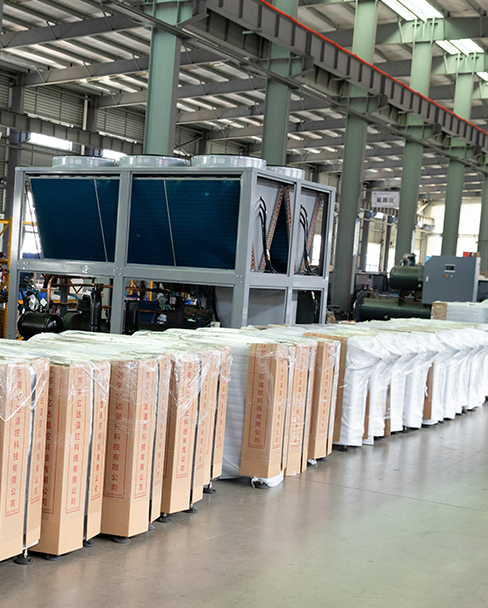
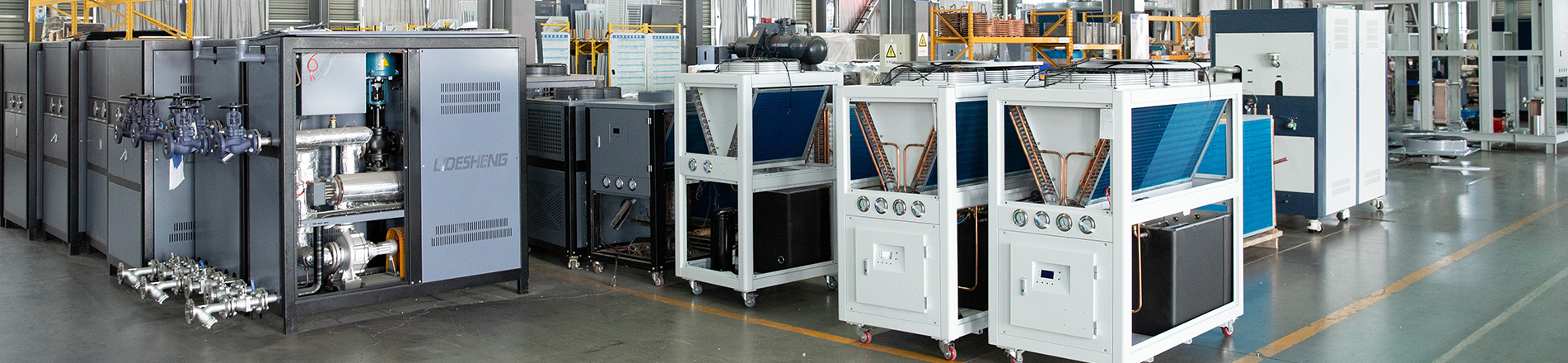
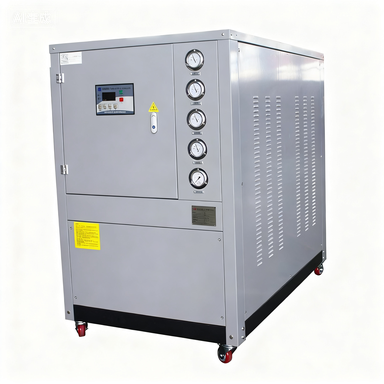
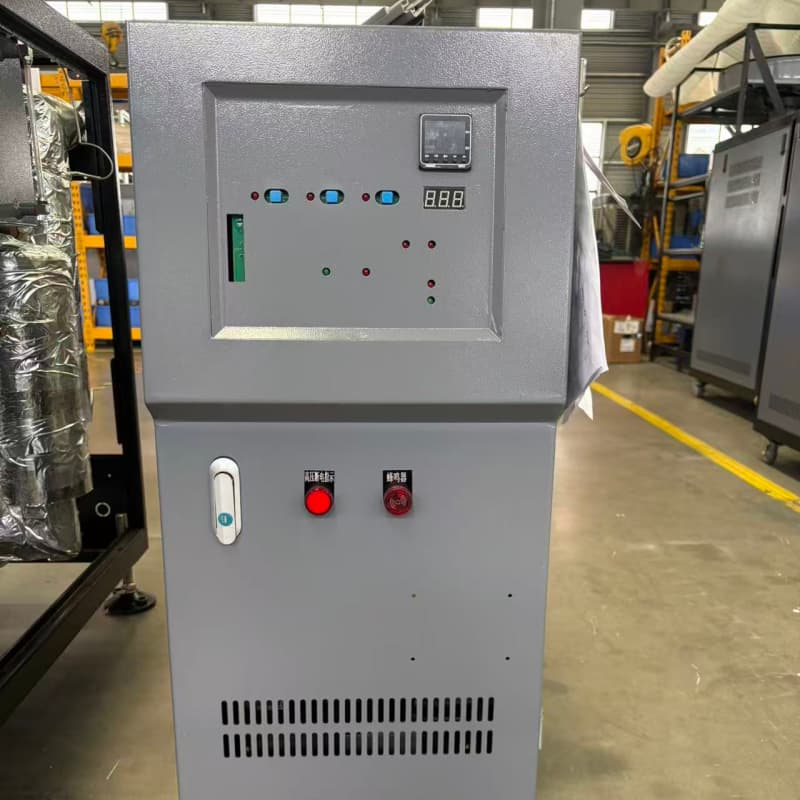
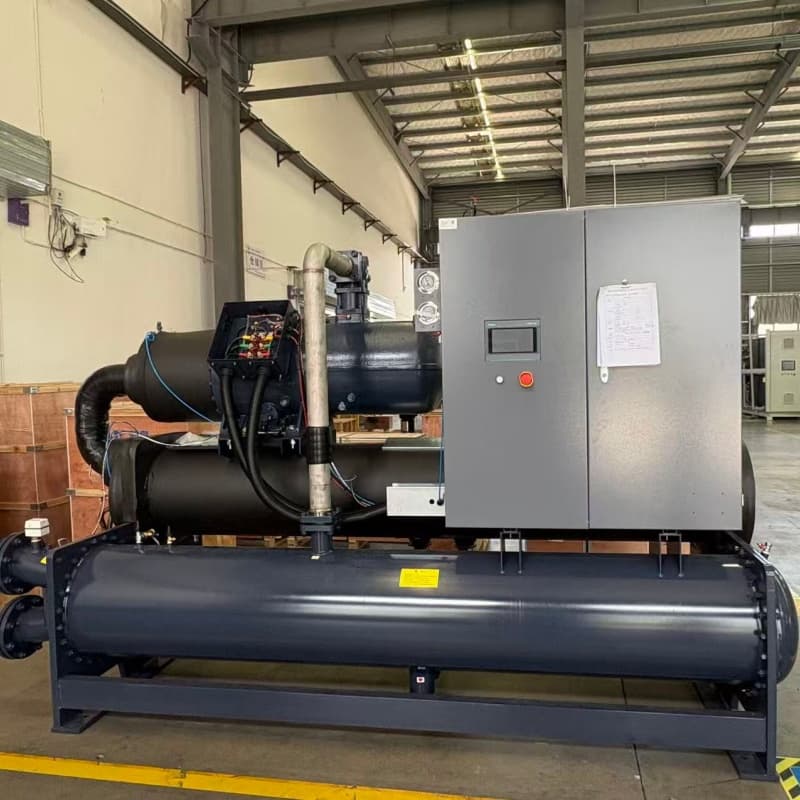
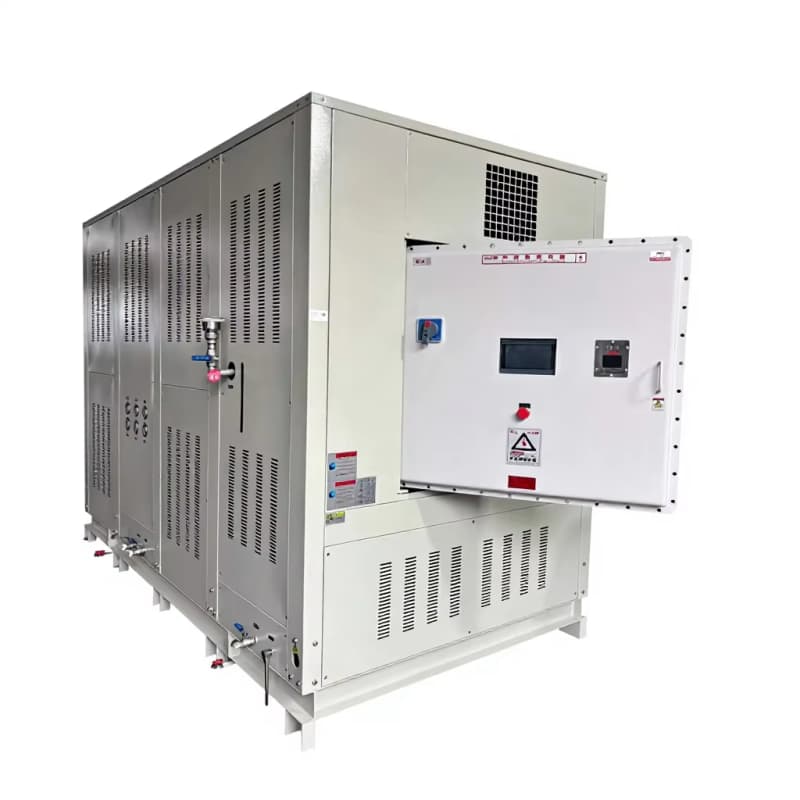
Multi-layer protection cold and hot water integrated machine(±0.5℃ Precision Control)
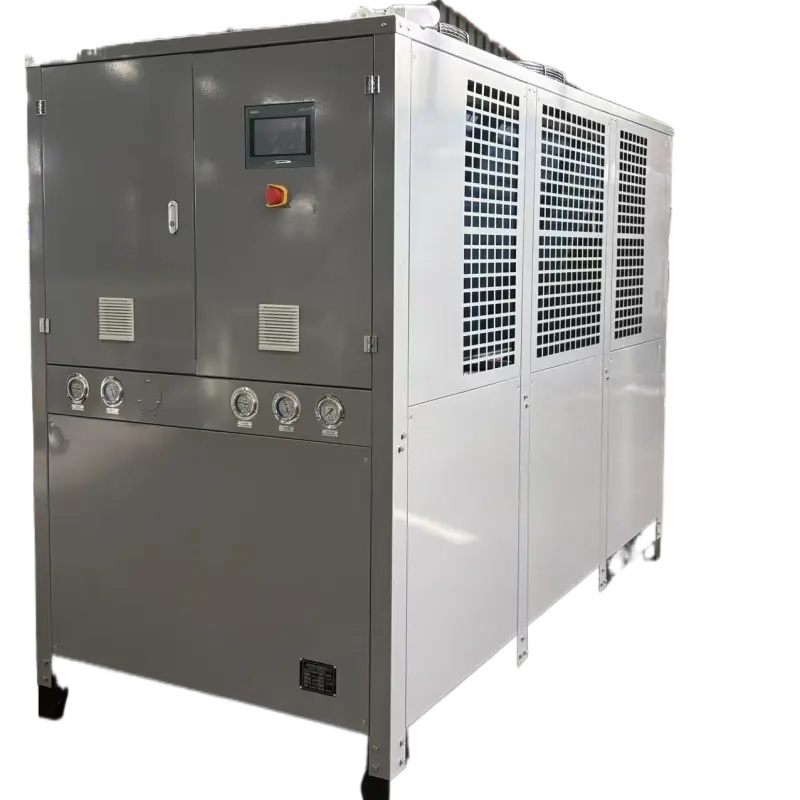
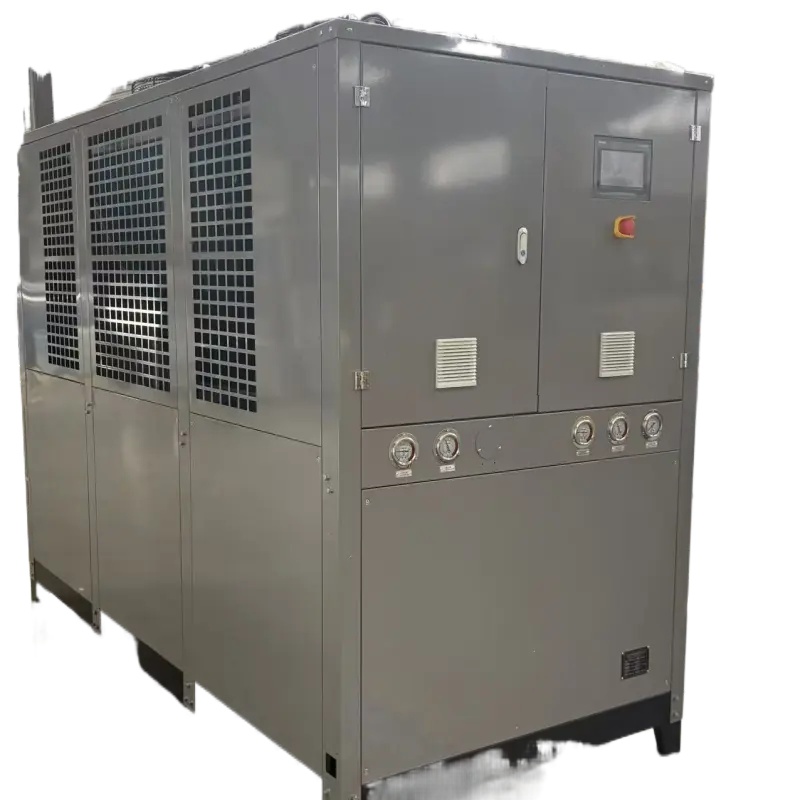
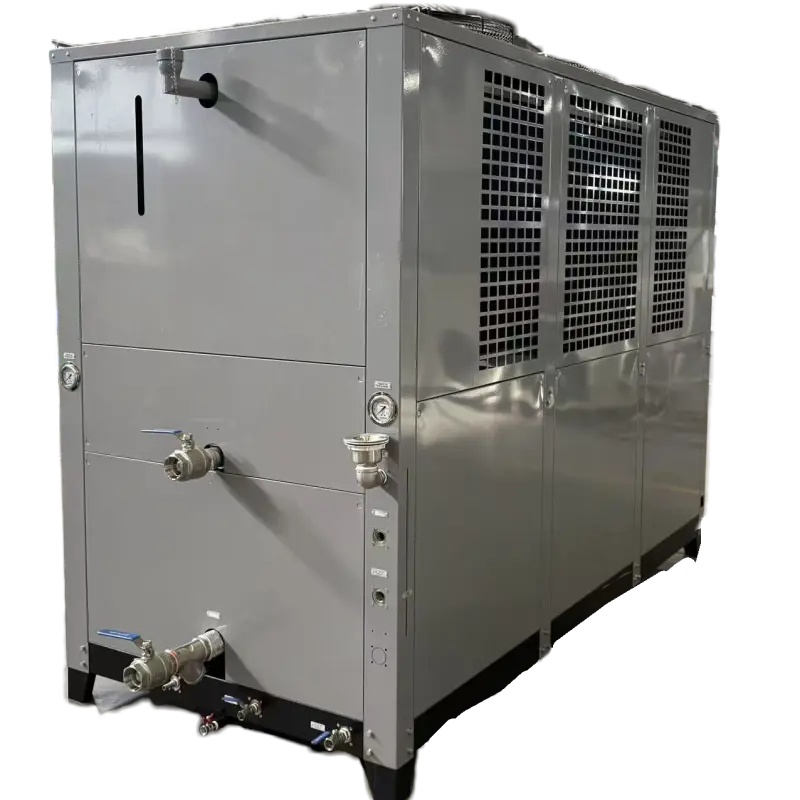
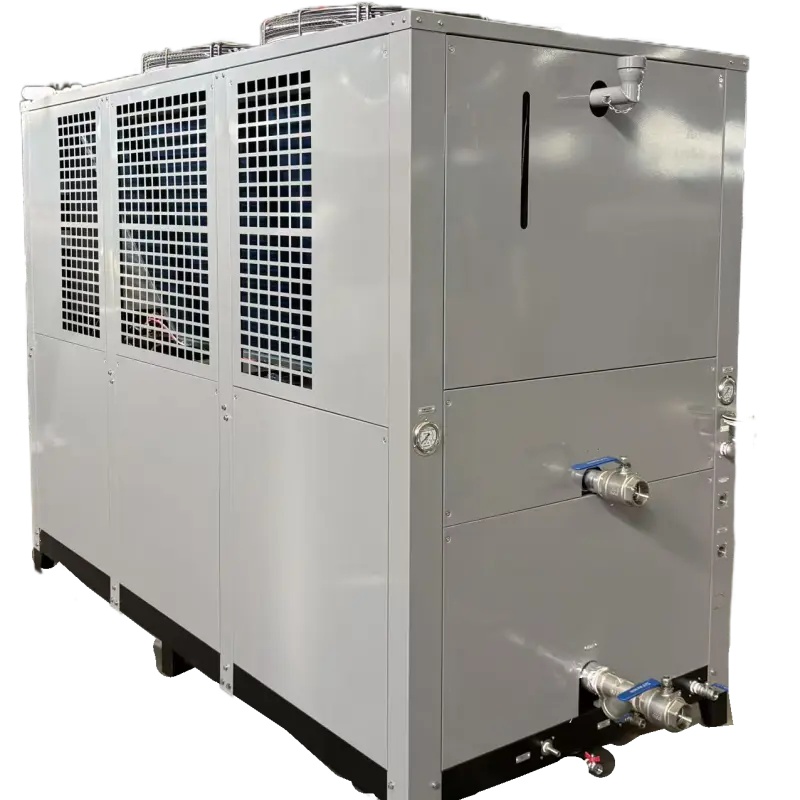
The heating-cooling all-in-one unit serves as a critical temperature control device in the semiconductor industry, primarily providing accurate and stable temperature regulation for process equipment and workpieces during semiconductor production and testing to guarantee process yield and product performance.
Item No :
LCH-05W(A)-10WOrder(MOQ) :
1Payment :
EXW/FOB/CIF/FCA/DPU/DDUProduct Origin :
CHINAColor :
CustomizableShipping Port :
SHANGHAI/NANJINGLead Time :
22Weight :
160KG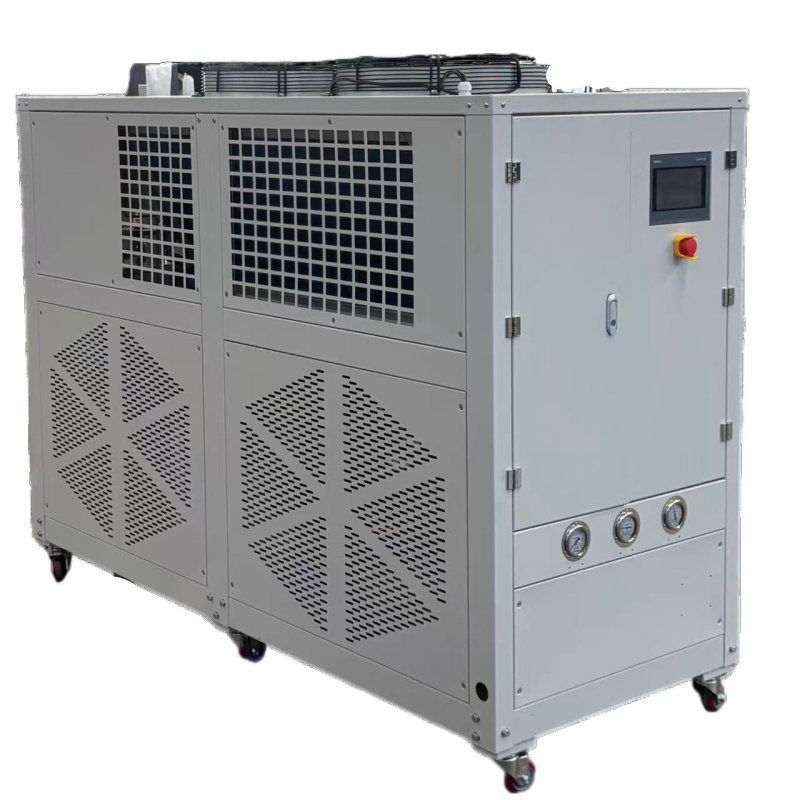
LCH Series Water temperature control unit
Semiconductor chip manufacturing (lithography, etching, deposition) and testing are highly temperature-sensitive:
High precision: Temperature deviation leads to wafer pattern distortion and uneven thin-film deposition, with required accuracy of ±0.1℃ or above.
Wide temperature range: Processes demand different temperatures – low (-40℃~0℃) for some etching, high (50℃~150℃) for some packaging and testing.
Fast response: Quick heating/cooling during process switching cuts down the production cycle.
Stability: Sustained constant temperature avoids performance inconsistency caused by temperature swings.
 Features
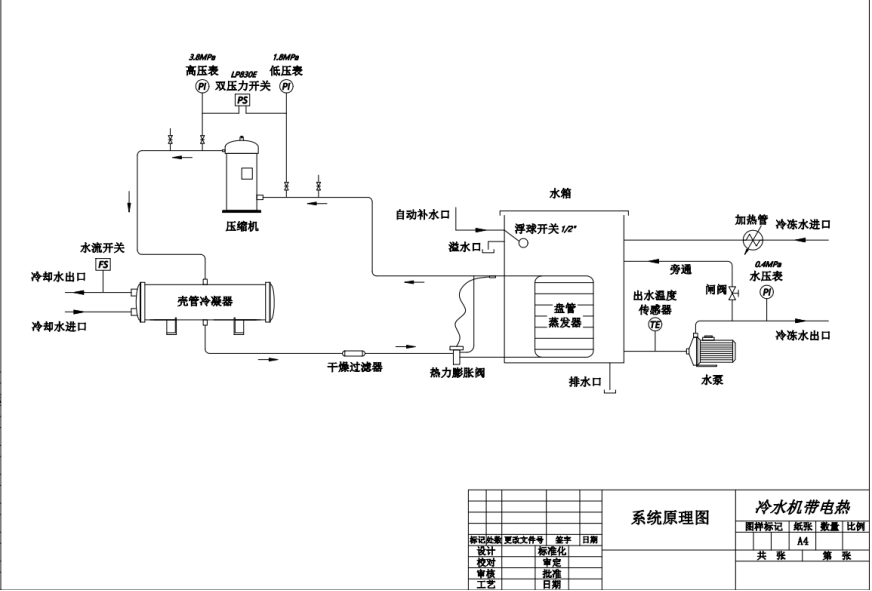
The water in the tank serves as the medium and is delivered to temperature-controlled equipment (such as molds and reaction kettles) via a circulating pump.
After flowing through the equipment, the medium carries heat or cold energy and returns to the main unit.
The temperature sensor inside the main unit detects the temperature of the medium and compares it with the set value.
If the temperature is lower than the set value, the heating system is activated; if it is higher than the set value, the cooling system is activated. This process continues until the temperature of the medium meets the set requirement, after which the medium is re-delivered to the controlled equipment.
Q1:Unable to Reach the Set Temperature
A1:This may be caused by refrigerant leakage, compressor failure, or blockage in the circulation system. It is necessary to check if the refrigerant is sufficient, repair the leakage point and recharge the refrigerant; inspect the status of the compressor and perform maintenance or replacement if needed; clean the circulation system to eliminate blockages.
Q2:Abnormal noise from the water pump or failure to operate normally.
A2:Inspect the condition of the water pump impellers and bearings; replace them if damaged. Check whether the motor connections are in good condition and ensure the power supply is normal.
Q3:Slow Heating/Cooling Rate
A3:Ensure the heater/cooler is functioning properly; it may be necessary to replace the electric heating element or refrigeration element. Check if the heat exchanger is blocked or contaminated—cleaning the heat exchanger can restore its performance. Ensure the refrigerant circulates smoothly; it may be required to inspect and clean the refrigerant pipelines.
Q4:Abnormal Operation of the Compressor
A4:Check if the power supply is stable and meets the equipment requirements. Inspect the compressor for abnormal noise or vibration, which may be caused by damage or wear of internal parts. Clean and inspect the condenser—if dust or dirt accumulates on the condenser, it may cause the compressor to overheat.
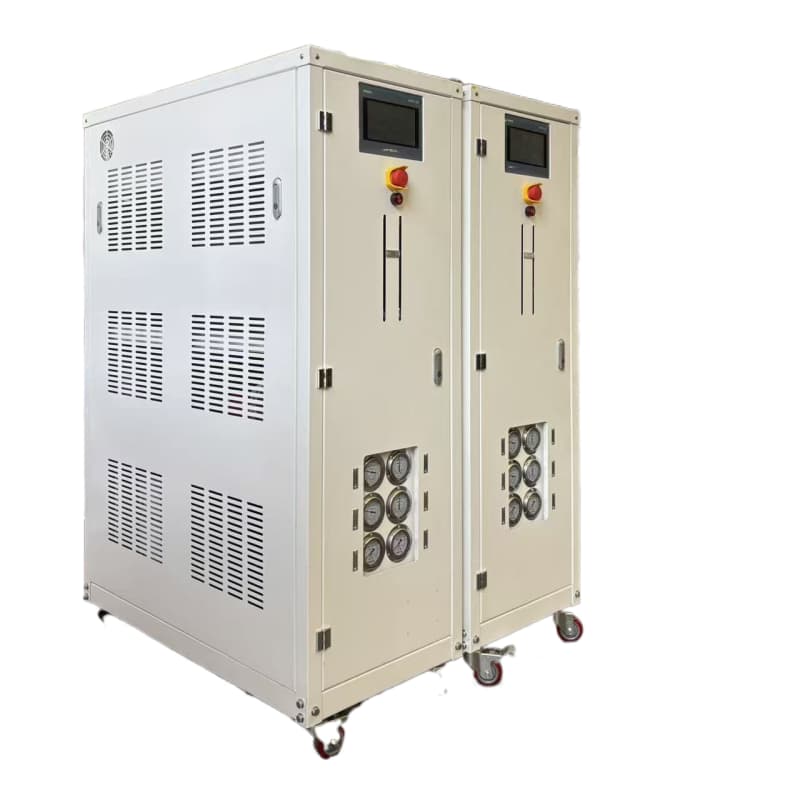
The precision temperature control chiller-heater unit dedicated to the semiconductor industry is a key process equipment integrating heating, cooling and closed-loop temperature control. It can achieve precise temperature control within ±0.05℃ to ±0.1℃ in a wide range of -100℃ to +300℃, providing a stable thermal environment for processes such as lithography, etching, doping and packaging testing, which directly affects the yield and performance of chips.
Read More
The heating-cooling all-in-one unit serves as a critical temperature control device in the semiconductor industry, primarily providing accurate and stable temperature regulation for process equipment and workpieces during semiconductor production and testing to guarantee process yield and product performance.
Read More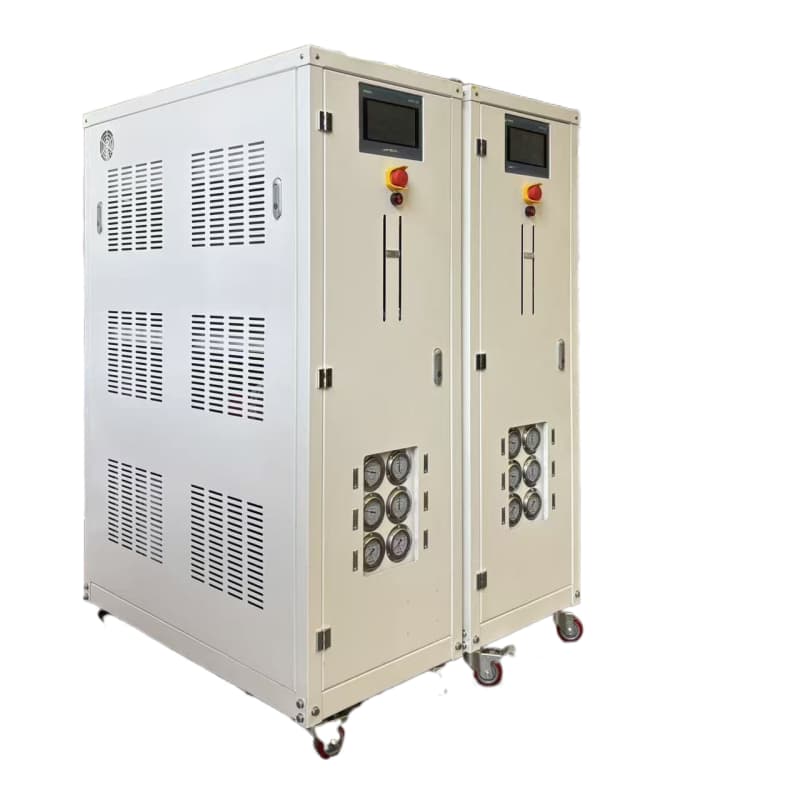
The precision temperature control chiller-heater unit dedicated to the semiconductor industry is a key process equipment integrating heating, cooling and closed-loop temperature control. It can achieve precise temperature control within ±0.05℃ to ±0.1℃ in a wide range of -100℃ to +300℃, providing a stable thermal environment for processes such as lithography, etching, doping and packaging testing, which directly affects the yield and performance of chips.
Read More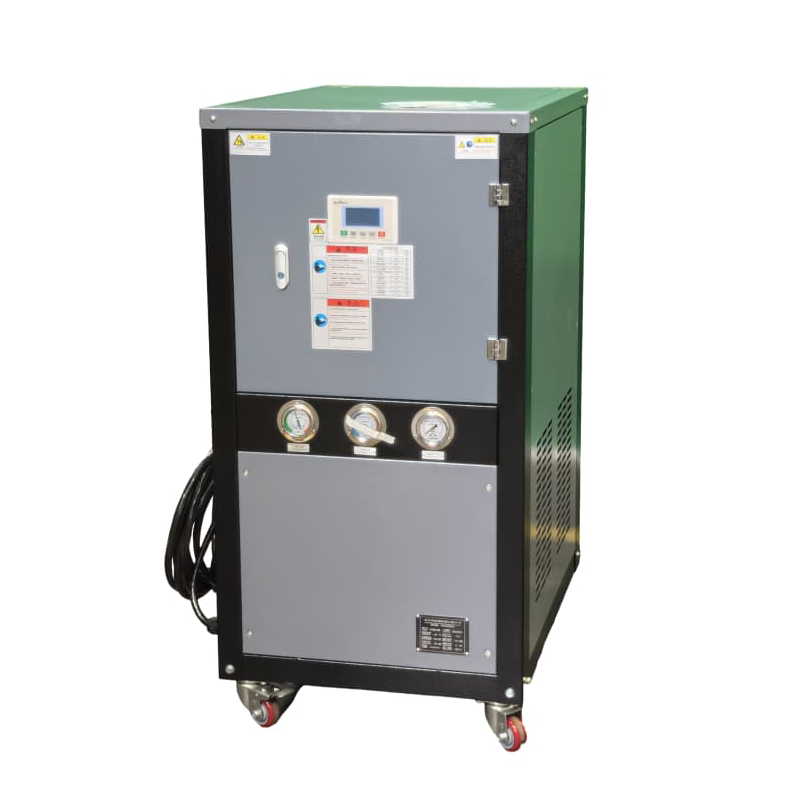
The intelligent PLC-controlled heating and cooling integrated machine for chemical polymerization is a high-precision temperature control device that integrates heating, cooling, circulation and intelligent control. The core of this device achieves wide temperature range control (typically -80℃ to 300℃) with ±0.1℃ accuracy through PLC + touch screen + PID algorithm. It is designed to meet the core requirements of polymerization reactions with intense heat release, multi-stage temperature control, and prevention of "thermal runaway / dead reactor". This equipment is a key process device for polymer synthesis.
Read More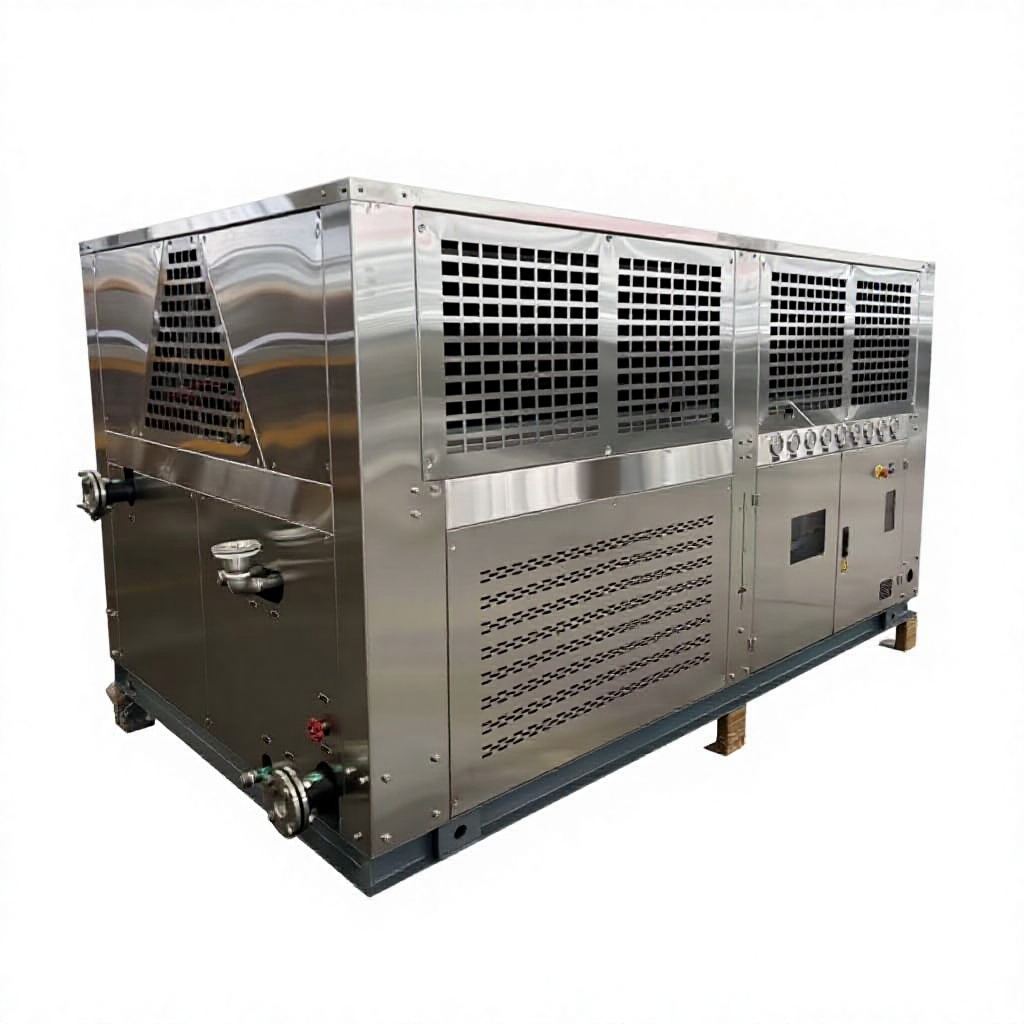
The high precision temperature control unit provides a key temperature control solution for the carbon fiber compression molding industry through precise temperature control, efficient heating and cooling cycle, and intelligent process adaptation, effectively improving product quality, production efficiency and material utilization rate, and is the core guarantee for realizing high-performance, high-quality and high-efficiency production of carbon fiber composite materials.
Read More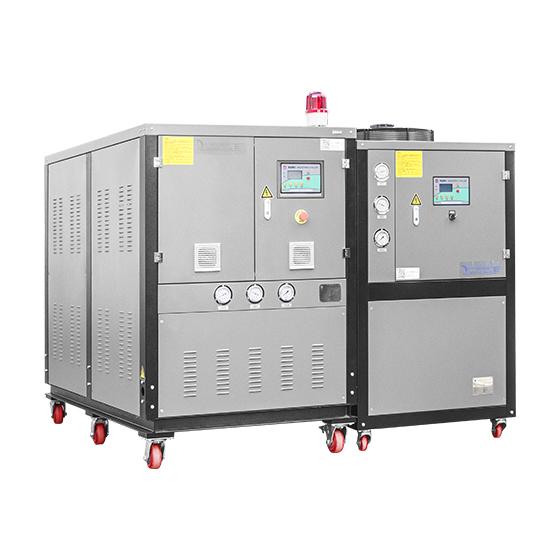
A heating and cooling all-in-one-unit is an industrial temperature control device that uses water as the heat transfer medium and can simultaneously achieve heating, cooling, and precise temperature control.
Read More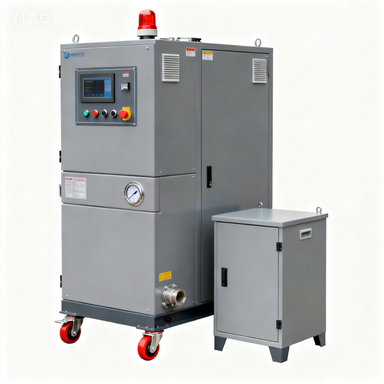
A heating and cooling all-in-one-unit is an industrial temperature control device that can simultaneously achieve heating and cooling functions, and accurately regulate the target temperature.
Read More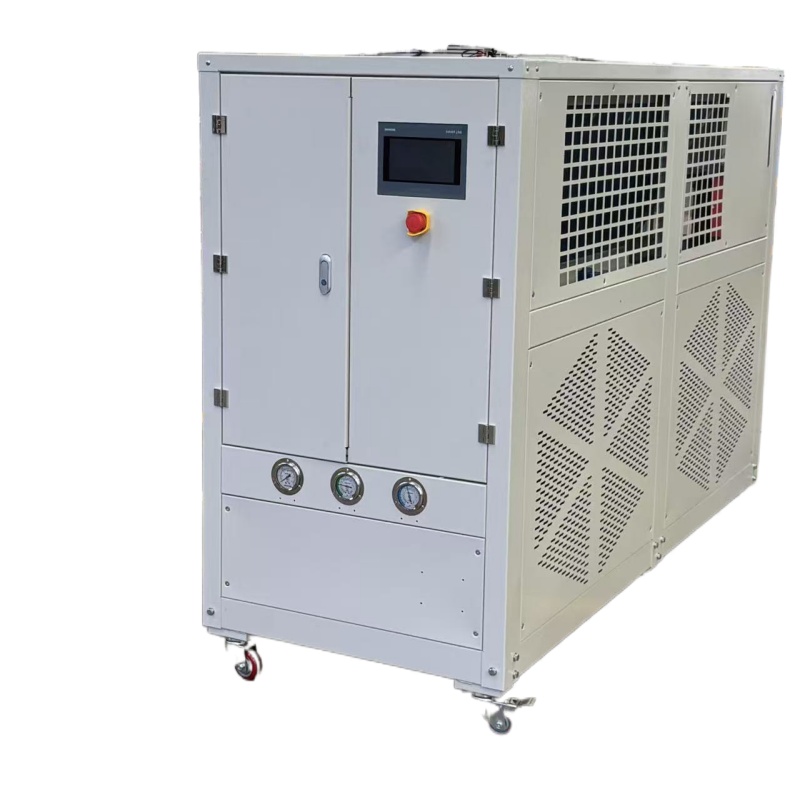
The equipment adopts a "double circulation + intelligent linkage" design. Through the coordinated operation of the refrigeration system, heating system, circulation pipelines and intelligent control system, it achieves precise temperature regulation.
Read More


 IPv6 network supported
Leave A Message
Scan to Wechat/Whatsapp :
 English
 Español
 عربي
عربي Melayu
 Tiếng Việt